Home › Guides › Industry guides
Lead Generation for Roofers: The Complete Guide
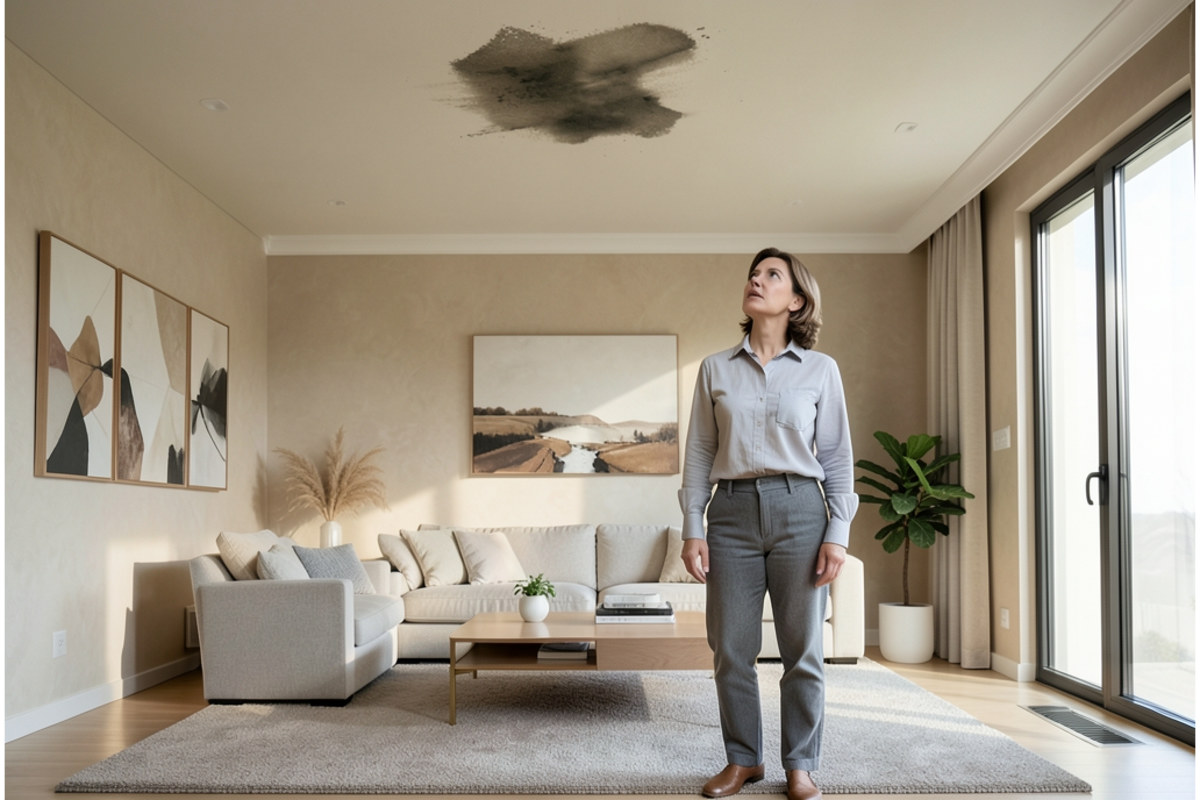
Roofing leads come in two very different types: urgent ("water's coming through the ceiling") and planned ("the roof's 40 years old, we should replace it").
Quick answer
Lead generation for roofers: Roofers get the best leads from Google search and Local Services-style ads for urgent repairs, a strong Google Business Profile with recent reviews, and Facebook ads for planned work like re-roofs. Win more of them by answering within minutes, offering a fast photo-based quote, and following up every quote within 48 hours.
Key takeaways
- Target both urgent and planned roofing leads with different marketing channels.
- Use clear offers like photo quotes and free roof checks to build trust.
- Ensure quick follow-up on leads, especially after storms.
- Maintain a localised website with click-to-call and before-and-after galleries.
- Track marketing costs by lead, survey booked, and job to optimise spend.
- Adjust marketing focus seasonally between urgent searches and social ads.
Roofing leads come in two very different types: urgent ("water's coming through the ceiling") and planned ("the roof's 40 years old, we should replace it"). The best roofing businesses market to both, differently.
Where roofing leads come from
| Channel | Best for | Notes |
|---|---|---|
| Google search ads | Urgent repairs | High intent, higher cost per click |
| Google Business Profile | Local repairs | Reviews and photos win the map pack |
| Facebook and Instagram ads | Re-roofs, flat roofs, gutters | Before-and-after photos work well |
| Referrals and neighbours | All work | Leaflets on the street where you're working |
| Trade directories | Fill-in work | Check cost per job, not cost per lead |
Offers that win roofing jobs
- "Photo quote in 24 hours": customers send photos, you reply with a price range.
- Free roof check with photos: show them what you see; trust follows.
- Fixed-price small repairs: removes the fear of a big bill.
- Guarantee in writing: years on workmanship, clearly stated.
Ad hooks for roofers to test
- "Water coming through the ceiling? We can be there today."
- "Missing tiles after the storm? Fixed-price repairs this week."
- "Your roof, photographed and checked. No obligation."
- "Flat roof leaking again? Here's why patches don't last."
- "Rated 4.9 by [number] homeowners in [town]."
Website must-haves for roofers
- Click-to-call button at the top on mobile.
- Before-and-after gallery from real jobs.
- Area pages for each town you cover.
- A short form: name, phone, postcode, "what's wrong?" and a photo upload.
Follow-up that books surveys
- Call within 5 minutes; storm days, within the hour at worst.
- Text your name and photo so they recognise you on arrival.
- Send the quote within 24 hours of the survey.
- Follow up at 48 hours, 5 days and 2 weeks.
What roofers should measure
Track cost per lead, cost per booked survey and cost per job by channel. Work out your maximum cost per lead from your average job value, your quote win rate and the share of revenue you'll spend on marketing.
Example: £2,400 average job × 30% win rate × 10% marketing share = £72 maximum cost per lead.
Seasonal tips
Storms and autumn bring urgent repairs; spring and summer suit re-roofs and flat roofs. Shift budget between search (urgent) and social (planned) as the seasons change.
Common mistakes roofers make
- Waiting until the next morning to return storm-day calls.
- Sending every ad to the homepage instead of a repairs page.
- Quoting by email with no follow-up call.
- Showing stock photos instead of your own roofs.

A 30-day plan for roofers
- Week 1: tidy your Google Business Profile, add 20 real job photos and ask your last 10 customers for reviews.
- Week 2: launch one search campaign for repairs in your three best towns.
- Week 3: run a before-and-after Facebook ad for re-roofs and flat roofs.
- Week 4: review cost per survey, add negative keywords and set up a 5-day follow-up routine.
How Lead Focus helps roofers
Lead Focus is 30 Claude Skills for lead generation with 50 industry packs covering trades, health, professional services and more. Claude writes your ads, replies and follow-ups and finds where your funnel leaks.
Related reading: How to Use Claude for Lead Generation: The Complete Guide · Lead Nurturing for Small Businesses: A Complete Guide
Questions and answers
Where do roofing leads typically come from?
Roofing leads come from channels like Google search ads for urgent repairs, Google Business Profile for local repairs, Facebook and Instagram ads for re-roofs and gutters, referrals from neighbours, and trade directories for fill-in work.
What offers help win roofing jobs?
Offers that help include photo quotes in 24 hours, free roof checks with photos, fixed-price small repairs, and written guarantees on workmanship. These build customer trust and remove barriers to booking.
What should a roofer’s website include to capture leads effectively?
A roofer’s website should have a click-to-call button at the top for mobile users, a before-and-after gallery from real jobs, area pages for each town served, and a short contact form that includes a photo upload option.
How quickly should roofers follow up on urgent leads?
Roofers should call urgent leads within 5 minutes or within the hour on storm days. Sending a text with the caller’s name and photo before arrival helps the customer recognise the roofer. Quotes should be sent within 24 hours of the survey.
What are common mistakes roofers make in lead generation?
Common mistakes include delaying storm-day callbacks until the next morning, sending ads to the homepage instead of a specific repairs page, quoting by email without follow-up calls, and using stock photos rather than images of their own roofing work.
How should roofers measure the effectiveness of their lead generation?
Roofers should track cost per lead, cost per booked survey, and cost per job by each channel. They should calculate maximum cost per lead based on average job value, quote win rate, and marketing budget share to ensure profitable marketing spend.